

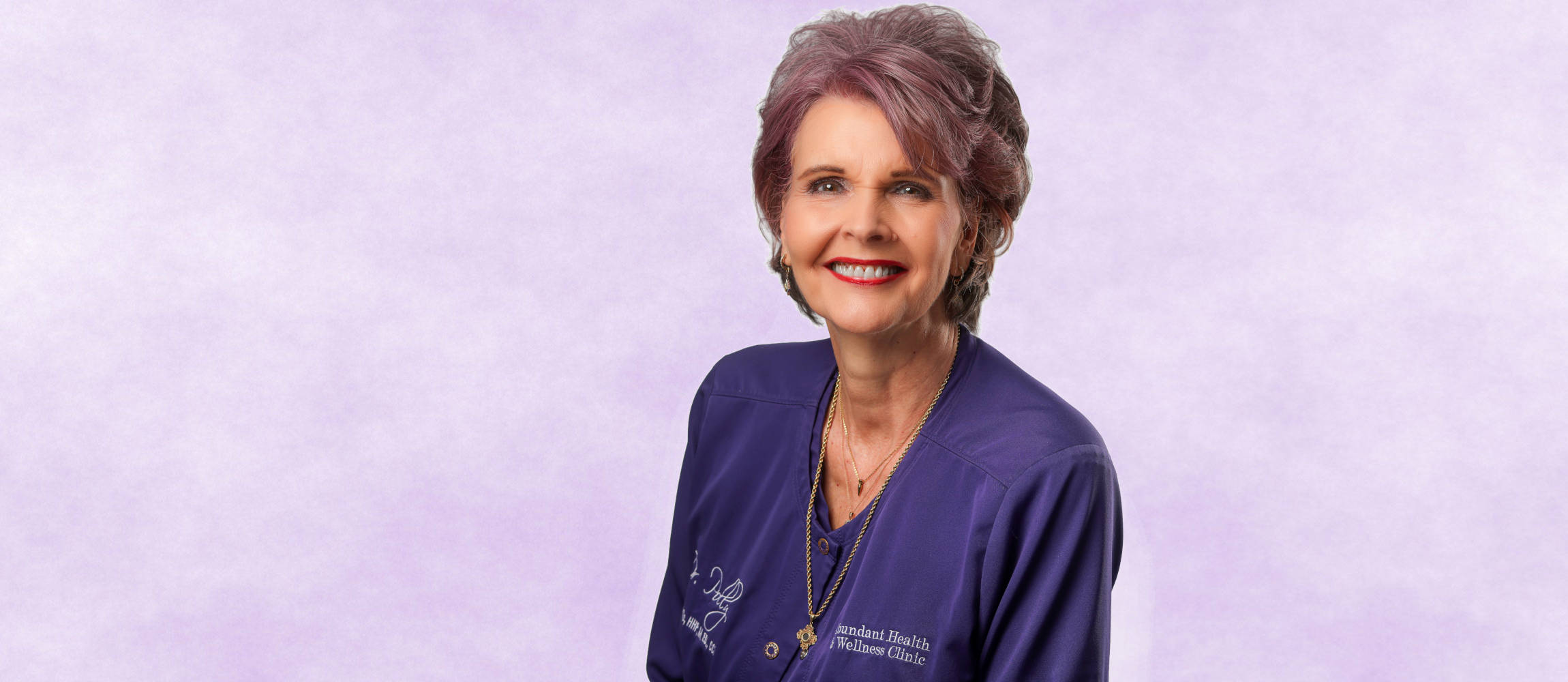
When people first walk through our clinic doors, they’re often frustrated — and I completely understand why. Many have spent months or even years searching for answers in the world of Western medicine. They’ve been poked, prodded, prescribed, and promised results… yet they still don’t feel well. Many have never heard of bioenergetic medicine.
Western Medicine
Western medicine tends to view the body as separate systems — heart, lungs, liver, kidneys — each treated in isolation. It’s not uncommon for seniors, for example, to have a small army of specialists working on different parts of their health, but no one asking the deeper question: Is the whole person thriving
Traditional Chinese Medicine (TCM)
Bioenergetic medicine, like Traditional Chinese Medicine (TCM), looks at things differently. It recognizes that the body is an integrated, intelligent system where everything is connected. In TCM, this understanding is expressed through the Five Elements — wood, fire, earth, metal, and water — which correspond to the liver, heart, spleen, lungs, and kidneys. When one system falls out of balance, it can ripple through the others, creating symptoms that may seem unrelated at first glance.
In my own holistic practice, I often help clients see this connection in their own bodies. You might come in with a symptom in one area, but the real issue could be hiding somewhere else entirely. The goal is not just to make the symptom go away, but to restore harmony — to bring the body back into its natural rhythm of balance and flow.
Diet
Take the typical American diet, for instance. Many people associate its effects only with digestion issues — gas, bloating, or irregularity. But those imbalances can show up in surprising ways, including:
-
Hormone disruption
-
Joint pain or arthritis
-
Muscle soreness
-
Brain fog or fatigue
Everything in the body communicates. When one system struggles, the others eventually speak up, too.
If you’re tired of chasing symptoms and ready to start supporting your whole self, maybe it’s time to explore a more integrative path — one that sees you not as a set of systems, but as the beautifully interconnected person you are.
Until next time,
Dr. Polly